It sounds strange coming from someone who sells clothes, but here it is: most women I dress don’t need more clothes. They need fewer, better-chosen ones that actually go with each other. A full cupboard and nothing to wear is the most common problem I hear, and buying one more random kurti never fixes it.
So here’s the ten-piece ethnic wardrobe I’d build if I were starting from scratch.
Four kurtis
One ivory or white cotton — the piece that goes with everything and everywhere. One printed everyday kurti in a mid-tone. One solid jewel colour — teal, rust, emerald, whichever suits you (see my colour post if unsure). And one festive kurti with embroidery for the occasions that show up with two days’ notice, because in India they always do.
Three bottoms
White straight pants, dark palazzos, and your good jeans. That’s it. The white pants alone will surprise you — every single kurti above works with them.
Two dupattas
One in a bright pop colour — rani pink or mustard — that turns your plainest kurti into an outfit. One festive with gold detail that upgrades your embroidered kurti for weddings and pujas. Dupattas are the cheapest way to multiply a wardrobe and almost nobody uses them this way.
One co-ord set
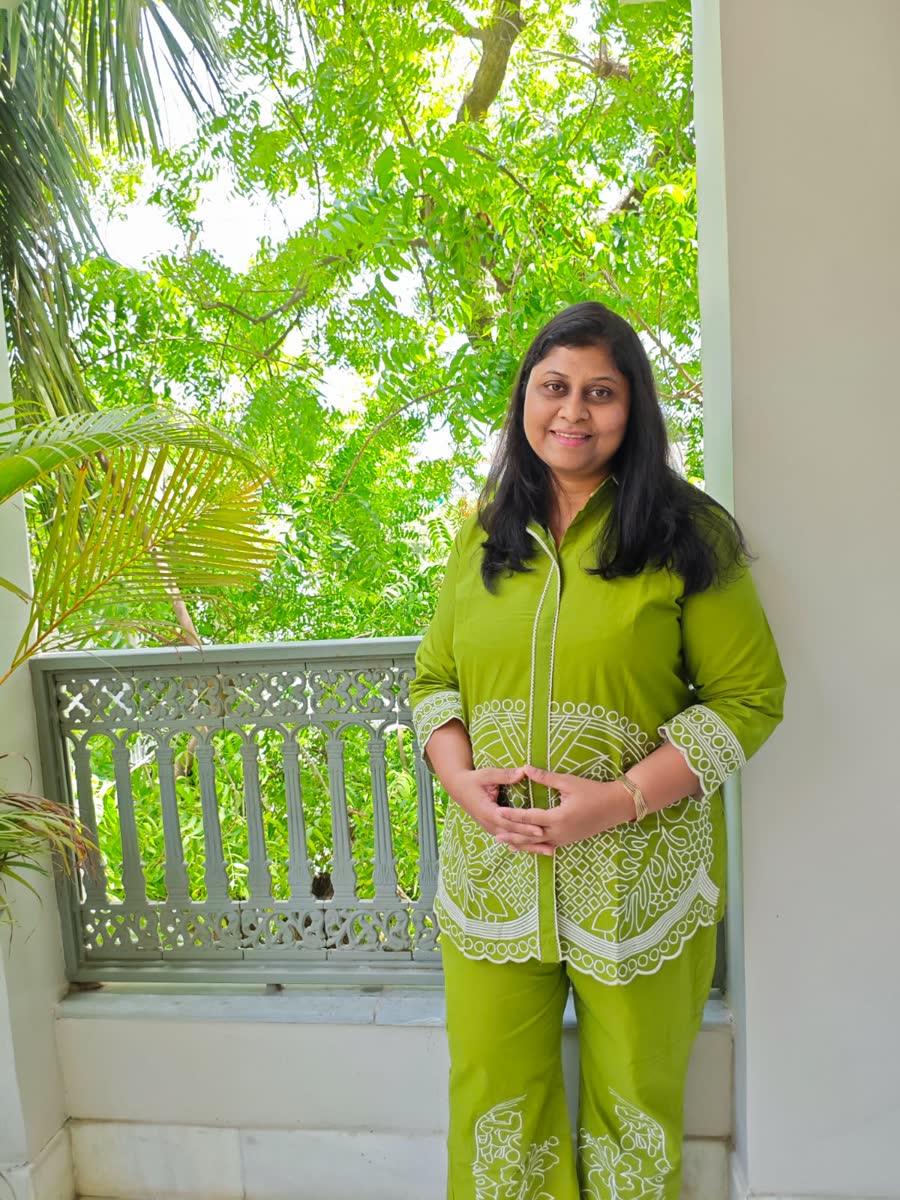
Worn together when you’re rushed, split apart to combine with everything else. Regular readers know I need no excuse to recommend a co-ord.
Now count
Four kurtis into three bottoms is twelve outfits before we’ve touched the dupattas or split the set. Do it properly and you’re past twenty different looks from ten hangers — office, casual, festive, travel, all covered.
The discipline is at buying time, and I say this to customers at my own stall: if a new piece doesn’t go with at least three things you already own, put it down. Even if it’s mine.
Want help filling a gap in your ten? Tell me what you already have on WhatsApp and I’ll suggest only what actually fits the plan. Everything current is on Instagram.