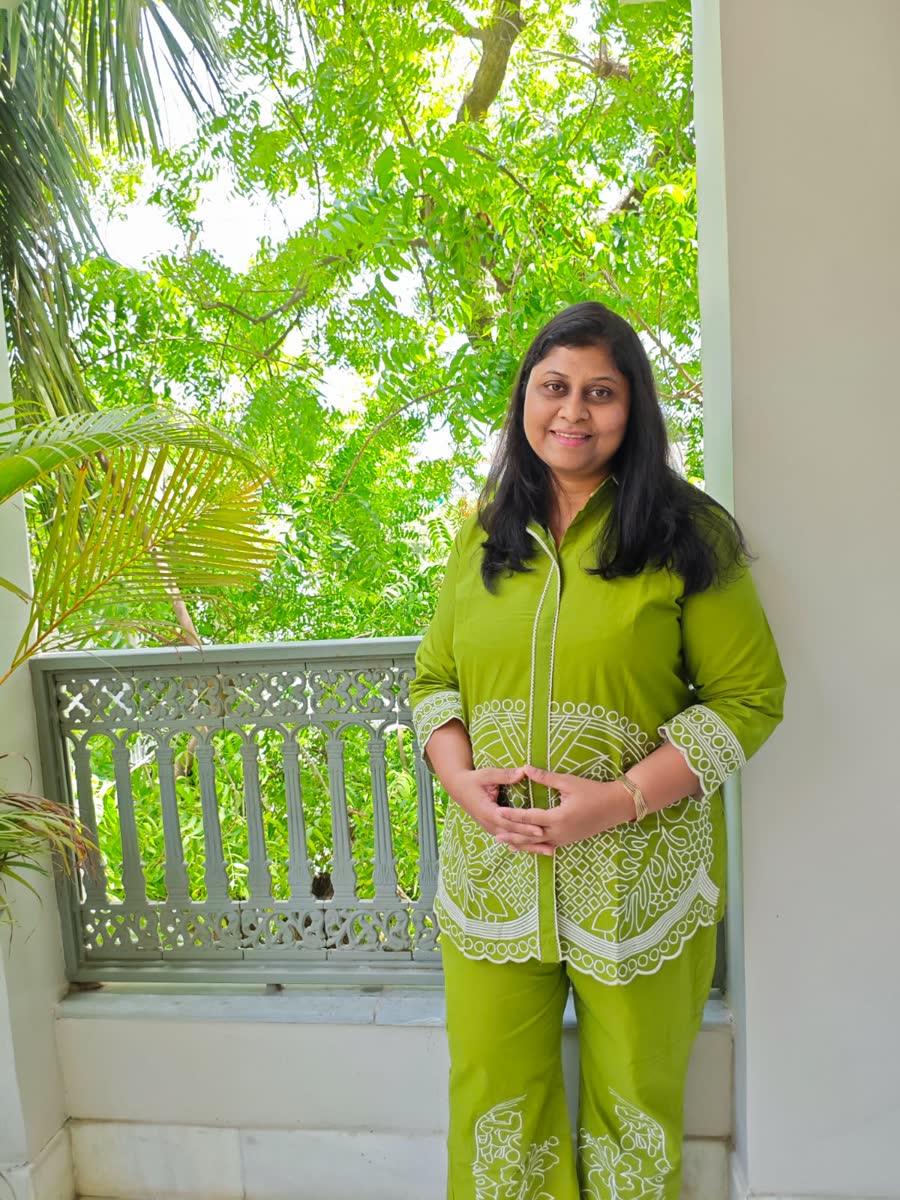
I still own kurtas from before I moved to Pune in 2011. People are surprised when I tell them, but there’s no magic to it — just habits my mother drilled into me, plus a few hard lessons from ruining pieces I loved. Indian weather is rough on clothes, and beautiful clothes deserve a little effort.
First washes are where colours run
New printed or dyed cottons release colour in the first two or three washes — after that they mostly settle. So: cold water, separately, quick wash, no long soaking. I turn everything inside out before it goes in the machine, always. Two seconds of effort, years of difference to how the print looks.
Never machine-wash mirror work. Never.
I learnt this one the expensive way. The mirrors catch in the drum, pull threads, and take the fabric with them. Anything with mirrors, gota or heavy embroidery gets hand-washed inside out, gently — or goes to the dry cleaner if the base is silk. And embroidered pieces get stored wrapped in an old soft dupatta, so the work doesn’t snag on its neighbours in the cupboard.
Our sun is a bleaching machine
Never dry coloured ethnic wear in direct sun — it fades a little every single time, and one day you notice your maroon has become an odd pink. Inside out, in shade, on a line. And not draped over the hot metal railing of the balcony, which leaves both rust marks and a fade stripe. We’ve all done it. Stop doing it.
The monsoon cupboard problem
Every July my cupboard tries to smell like a godown, so this is a fresh wound. Clothes must be completely dry before they go in — even slightly damp is how mildew starts. I keep neem leaves wrapped in muslin on the shelves like my mother did, though silica pouches work too. And no plastic covers for long storage; fabric needs air. Cotton storage bags if you have them, old pillowcases if you don’t.
Ironing without accidents
Thin cotton cloth between the iron and anything embroidered, always press around mirrors and gota, never over. Chanderi and silk-mix on low. Plain cotton can take a hot iron while slightly damp — that’s how you get that crisp fresh-from-the-shop look at home.
Every piece we sell comes with honest care advice — just ask when you order on WhatsApp. A kurta that’s cared for stays beautiful for a decade. I have the wardrobe to prove it.